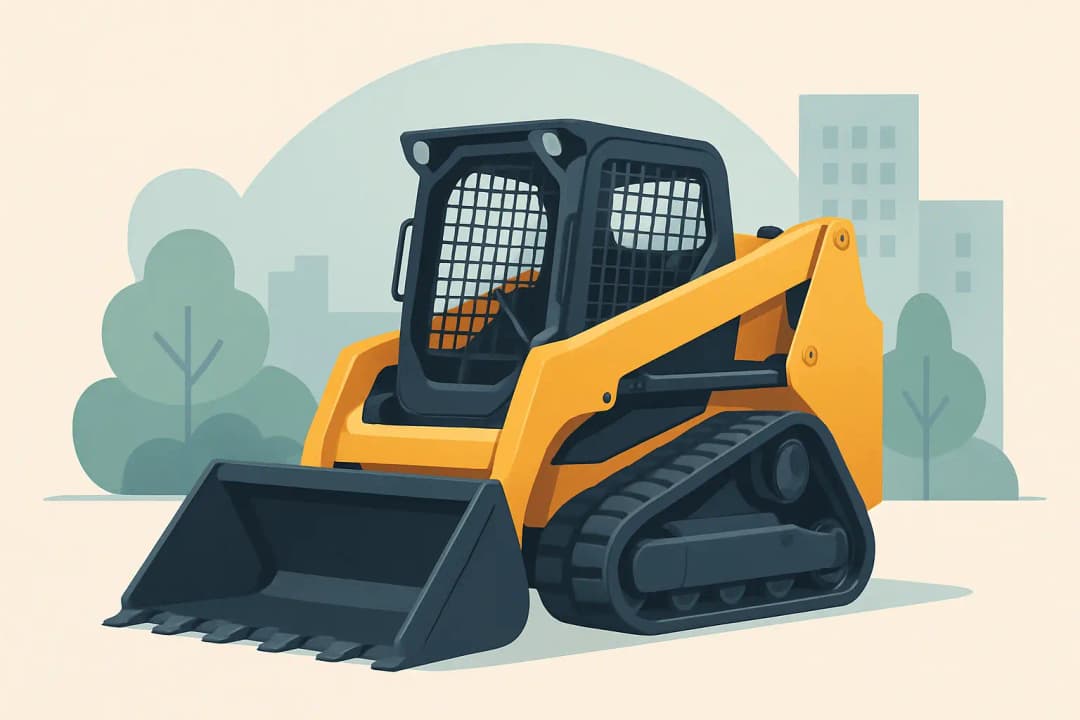
If your crew is losing time shifting spoil with a shovel, or your telehandler is tied up doing jobs it is not meant for, a skid steer is usually the quickest way to put hours back into the day. The issue in the UK is not whether skid steers earn their keep - it is how to buy a used machine that turns up ready to work, rather than becoming a workshop project.
This is a practical buying route for a used skid steer loader UK operators can depend on, built around the realities that matter on site: stability, hydraulics, wear, attachment compatibility, transport, and downtime risk.
Why used skid steers make operational sense
Lead times on new compact equipment can be unpredictable, and many businesses do not want to park capital in a machine that may only be on certain packages of work. A used skid steer can be the right answer when you need capacity quickly, you want a known monthly cost, and you are comfortable buying on specification, hours, and verified condition.
Used also gives you flexibility. You can match the machine to the work - a higher flow auxiliary circuit for demanding attachments, a simpler wheeled unit for yard duties, or a tracked skid steer for soft ground - without committing to a brand new price point. The trade-off is that the buying process has to be tighter: you are managing remaining life, previous maintenance quality, and the risk of hidden faults.
Start with the job, not the badge
Before you compare listings, decide what the skid steer needs to do most days. The UK market includes wheeled and compact tracked machines, and the right choice is rarely about preference - it is about ground conditions, access, and surface damage.
A wheeled skid steer suits concrete, tarmac, hardstanding, and general loading where you need speed and lower running costs. A tracked skid steer earns its place on softer ground, demolition sites with mixed underfoot conditions, and anywhere flotation and traction reduce getting bogged down. The compromise is higher undercarriage wear costs, so you want to be confident the job genuinely needs tracks.
Lift path also matters. Radial lift tends to feel strong for digging and grading, with good mid-range reach. Vertical lift is typically preferred for loading into higher-sided tippers or hoppers because it maintains reach at height. Neither is "better" - it depends on whether you are shaping ground or moving material into vehicles.
Then consider operating weight and width. Many UK access constraints are simple: gates, alleys, tight plots, or working inside structures. A smaller machine that fits every time can out-earn a larger unit that needs constant planning and extra handling.
Hours are useful, but condition is decisive
Machine hours are a starting point, not a verdict. A 3,000 hour machine that has been greased correctly, kept clean, and used on appropriate surfaces can be a stronger buy than a 1,500 hour unit that has had a hard life in demolition with poor filtration and infrequent servicing.
What you want is evidence of care and consistency. Service history is ideal, but practical condition checks matter even more because they reflect what is happening now.
Hydraulics: where skid steers earn and lose money
Hydraulics drive the lift arms, the drive system, and your auxiliary attachments. Problems here do not stay small.
Check for leaks around couplers, hoses, valve blocks, and rams. Look for chafing where lines rub through. On test, the machine should lift smoothly without juddering or drifting down under load. Auxiliary hydraulics should engage cleanly and hold pressure.
If the work involves demanding attachments (mulchers, trenchers, planers, snow blowers), confirm whether the machine has standard flow or high flow. Buying the wrong spec is an expensive mistake - you will either underperform or end up retrofitting at poor value.
Pins, bushes, and lift arm wear
Excess play in the loader linkage is a quick indicator of wear. Some movement is normal, but knocking, visible ovalisation, or heavy slop usually means a rebuild is coming. On site, that becomes poor control, uneven bucket cutting, and faster tyre or track wear as operators fight the machine.
Inspect the quick-attach plate for damage and cracks. If the plate is worn, your attachments will rattle and sit incorrectly, which accelerates wear elsewhere.
Tyres or undercarriage: the hidden bill
With wheeled skid steers, tyres can look "fine" but still be close to replacement once you account for sidewall damage, chunking from demolition debris, and uneven wear from constant skid turns. Budget properly, especially if you are operating on abrasive surfaces.
For tracked units, undercarriage condition is central to the deal. Worn sprockets, thin track lugs, damaged rollers, or loose track tensioners can turn a bargain into a large immediate cost. Undercarriage wear is not always evenly visible, so you want a disciplined inspection rather than a quick glance.
Engine, cooling, and electrics
Skid steers tend to work in dusty, harsh environments, so cooling packs and filtration deserve attention. Blocked coolers lead to overheating and derating, which operators often work around until bigger damage follows.
Check for excessive crankcase pressure, smoky starts, and hunting at idle. Look at the battery, alternator charging, and warning lights. In modern machines, sensor faults can sideline a unit even when the mechanicals are sound.
Cab condition is not cosmetic. Worn seat switches, tired joysticks, broken door latches, and poor visibility all affect safety and productivity. If the machine is for hire fleet use, cab presentation also influences customer perception and rates.
Attachments and compatibility: specify it early
A skid steer's value comes from what it can run. Buckets, forks, grabs, sweepers, augers, breakers, trenchers - they all change the ROI. But compatibility is where buyers get caught.
Confirm the coupler type and the auxiliary connections. Check whether the machine has the electrical controls required for certain attachments. If you already own attachments, make sure hose routing, flow requirements, and mounting are right.
It is also worth considering whether you want a general-purpose bucket and forks included from day one. Even if you plan specialist work, these basics keep the machine earning between larger jobs.
Pricing a used skid steer loader in the UK: what drives the number
Used prices move with availability, seasonality, and the type of work currently active. In practice, the biggest price drivers are specification and condition: high flow, low hours with evidence of care, strong tyres or undercarriage, and a clean hydraulic system command a premium because they protect uptime.
Be cautious with "cheap for the hours" machines. They often have a reason: persistent hydraulic leaks, tired drive motors, worn linkage, or an undercarriage close to end of life. If you price only on the headline figure, you can end up paying more after the first month.
The most operationally sensible way to evaluate price is against expected utilisation. If the machine is critical path - loading, backfilling, shifting materials all day - pay for condition. If it is genuinely occasional use, you can accept more cosmetic wear provided the core systems check out.
Inspection and verification: reduce downtime risk upfront
The goal is not to find a perfect used machine. The goal is to know what you are buying, so you can plan maintenance and keep the machine working.
A structured inspection should cover:
- Cold start behaviour and smoke
- Hydraulics under load, including auxiliary flow
- Drive response, tracking straight, and brake hold
- Lift arm movement, drift, and linkage wear
- Leaks, hose condition, and coupler operation
- Tyres or full undercarriage condition
- Cooling pack cleanliness and fan operation
- Safety systems and cab controls
If you cannot inspect in person, you need a supplier who will. That is where the risk is either controlled or transferred back to you.
Finance and delivery: treat them as part of the purchase, not an afterthought
Many buyers decide on a machine, then scramble for funding and transport. That is how timelines slip.
If you want speed, align finance early. Hire purchase or lease options can keep capital available for other site needs while fixing your monthly outlay. For fleet managers, this also makes it easier to compare the used machine's cost against hire rates and downtime costs.
Delivery is equally practical. A skid steer is compact, but it still needs correct loading, securing, and a delivery plan that fits site access and timing. If you are buying cross-border, logistics and documentation need to be managed properly so the machine arrives when you need it, not when paperwork catches up.
If you want an end-to-end route - sourcing and inspection, finance options, and managed delivery - AGRORIG LTD supplies used skid steers from stock and through targeted procurement via trusted suppliers, with condition checks designed to reduce downtime risk.
Common buying mistakes that cost time on site
A few patterns come up repeatedly in the used market.
The first is buying on hours alone and ignoring wear points. Hours do matter, but the condition of hydraulics, linkage, and undercarriage is what dictates whether the machine will work reliably next week.
The second is under-specifying the machine for the attachments. If your work relies on high flow, do not assume you can "make do" on standard flow. You will either slow the job down or overload the system.
The third is treating delivery and handover as admin. If the machine arrives without the right bucket, with couplers that do not match, or without a clear plan for initial service, the first days on site are lost.
A buying approach that stays efficient
If you want to move quickly and still buy well, keep it simple. Define the job, then set a minimum specification: operating weight range, lift path preference, flow requirement, tyre or track type, and must-have attachments. From there, you can evaluate used machines on verifiable condition, not sales claims.
Ask direct questions, request clear photos and operating details, and prioritise machines that have been inspected in a way that actually tests hydraulics, drive, and loader function. The aim is not to "win" on price - it is to put a skid steer on your site that starts every morning and keeps the rest of the operation moving.
The best closing test is practical: if the machine turned up tomorrow, would it go straight to work, or would it immediately need parts, fabrication, or chasing compatibility? Buy for that answer, and the numbers usually take care of themselves.